

Reading the Face:
What Your Child’s Features Say About Their Health
Understanding the Connection Between Airway, Breathing, and Facial Growth
At Pure Facial Development in Ankeny, Iowa, we believe your child’s face tells an important story that goes far beyond appearance.
Subtle features like a receding chin, tired eyes, or dark under-eye circles can point to underlying breathing issues and improper facial growth.
Our goal is to help parents recognize these early signs and understand how orthotropic care can guide the face and the airway toward natural, healthy development.
Reading the Face: Early Clues You Can See
By learning to “read the face,” you can often identify airway and growth problems early, sometimes before dental crowding even begins.
Sleep and Breathing
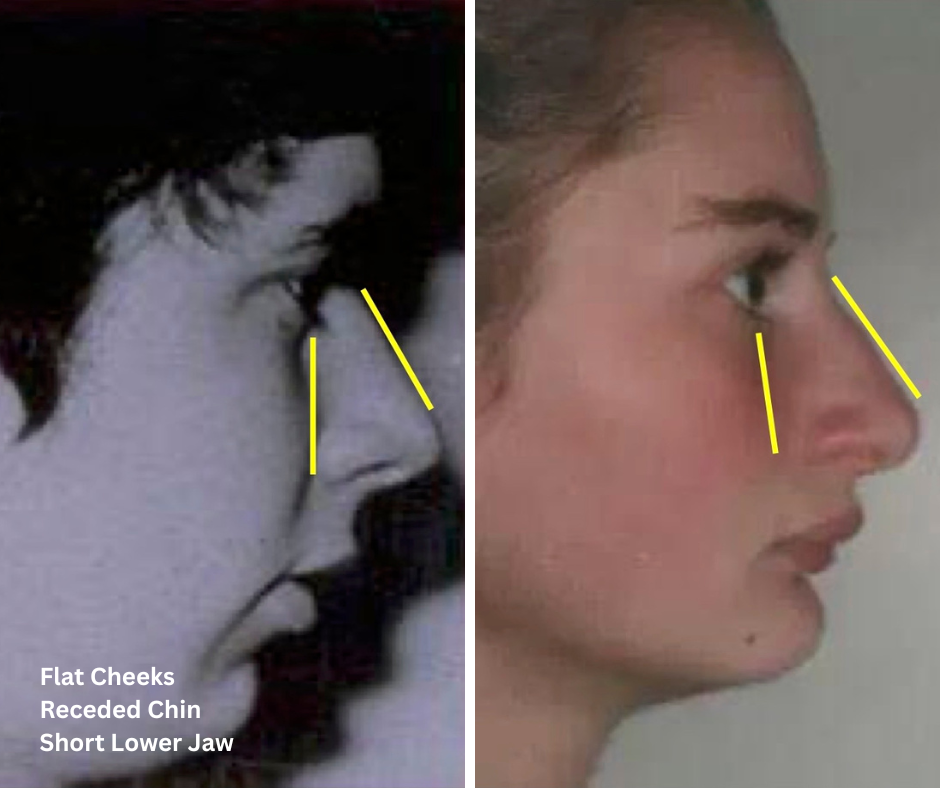
Flat cheeks or receded chin: indicate underdeveloped jaw and limited airway space
Short upper lip or droopy eyes: suggest low tongue posture or open-mouth breathing
Forward head posture: shows that the body is compensating to open the airway
Gummy smile or tight baby teeth spacing: signal limited jaw growth
The Orthotropic Solution: Guiding Growth Forward
Rather than waiting for problems to appear, orthotropic therapy helps guide natural, forward facial growth during childhood.
This approach uses removable dental appliances and habit correction to train the mouth and jaws to grow the way nature intended.
At Pure Facial Development, Dr. Erika Peddicord uses a phased approach to help children grow into their healthiest form:
Phase 1: Expansion and Airway Support
Gently widens the dental arches to create space for the teeth and tongue while expanding the airway.Phase 2: Growth Guidance and Posture Training
Guides the lower jaw forward and teaches the muscles and tongue to maintain proper oral posture.
Each step promotes a wider airway, improved breathing, and more balanced facial growth. Children treated during their growth years often avoid extractions, braces, or jaw surgery later in life.
Why Early Action Matters
Children grow rapidly between ages 4 and 10, and that window offers the best opportunity to influence growth.
Once the facial bones harden, it becomes much more difficult to make structural changes.
By starting early, parents can help their child:
Develop a stronger, more balanced facial profile
Improve breathing and sleep quality
Create room for all permanent teeth to erupt naturally
Avoid extractions, braces, or surgery
Support confidence and overall wellness
Lower the risk of sleep-related and attention issues linked to poor breathing
Build healthy oral habits that support long-term, stable facial development
When Breathing Is the Root of the Problem
This patient’s story offers a clear example of what can develop over time when breathing issues go unrecognized during childhood. Now in her late 20s, she has undergone orthodontic treatment three separate times, yet her teeth have continued to relapse into crowding. She wore braces for two years as a child and later pursued orthodontic treatment twice as an adult in search of lasting stability.
Dr. Erika Peddicord did not treat this patient with orthotropic therapy. Instead, the patient met with Dr. Peddicord as an adult, where her history and symptoms were discussed and documented as an example of the long-term effects of untreated airway and breathing dysfunction.
From an early age, the patient struggled with nasal breathing, severe allergies, and recurrent ear infections. She underwent multiple surgeries involving her nose, tonsils, ears, and airway and also suffered a broken nose as a child. Over time, chronic mouth breathing and improper oral posture became her default, driven by ongoing airway restriction rather than habit.
During her consultation with Dr. Peddicord, the connection between her breathing patterns, facial development, dental crowding, and gum inflammation became clear. Long-term mouth breathing influences how the jaws grow, how the face forms, and how much space exists for the teeth and tongue. Her experience highlights why early evaluation and intervention play such a critical role in healthy facial development.

A Pattern We See Too Often
Braces were needed multiple times, but the teeth continued to become crowded again
Ongoing trouble breathing through the nose from childhood into adulthood
Mouth breathing became the norm, affecting jaw growth, gum health, and overall comfort
The underlying cause was identified in adulthood, after the opportunity for early growth guidance had passed
Example of how untreated breathing issues can impact facial growth long term

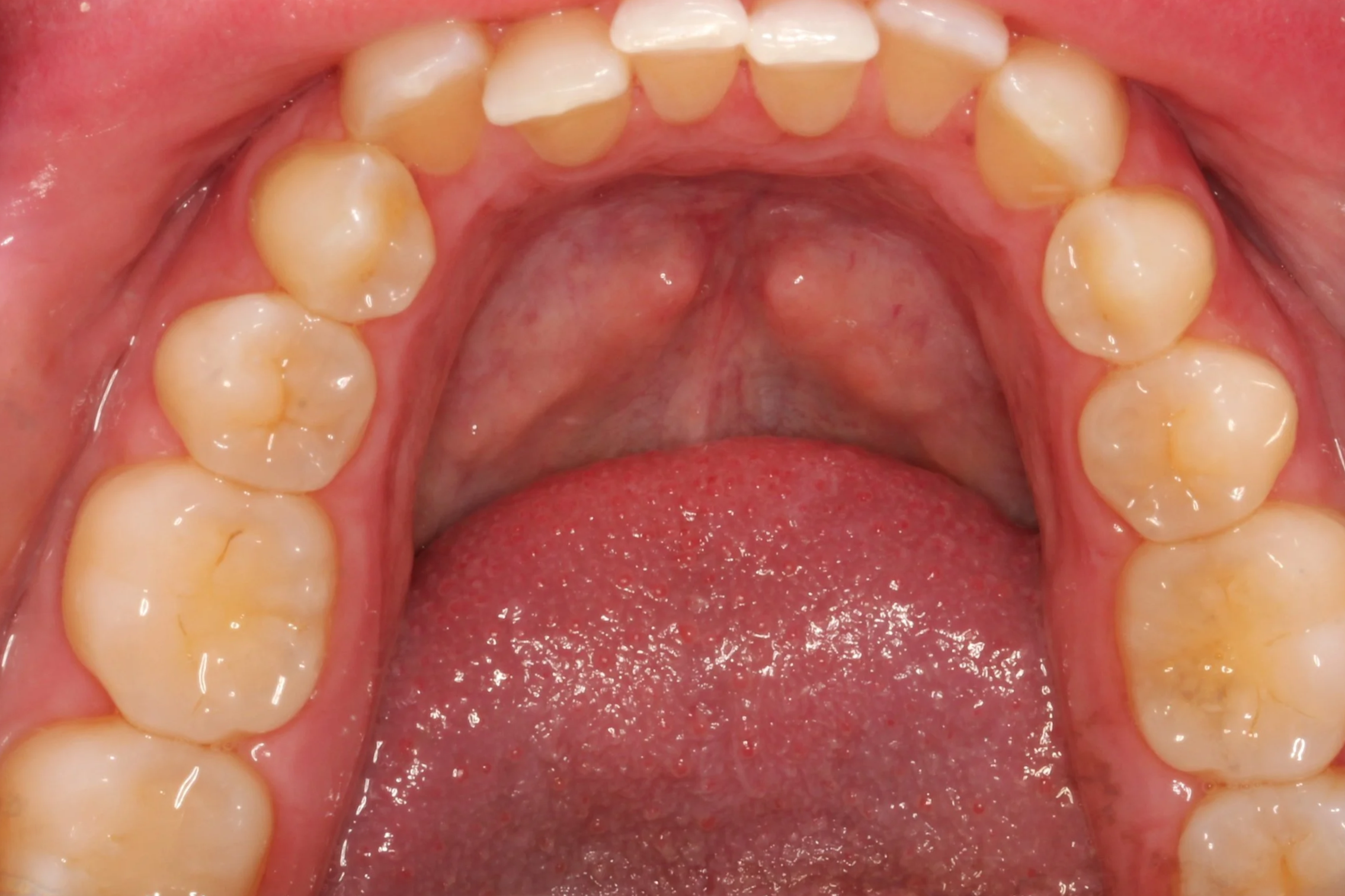
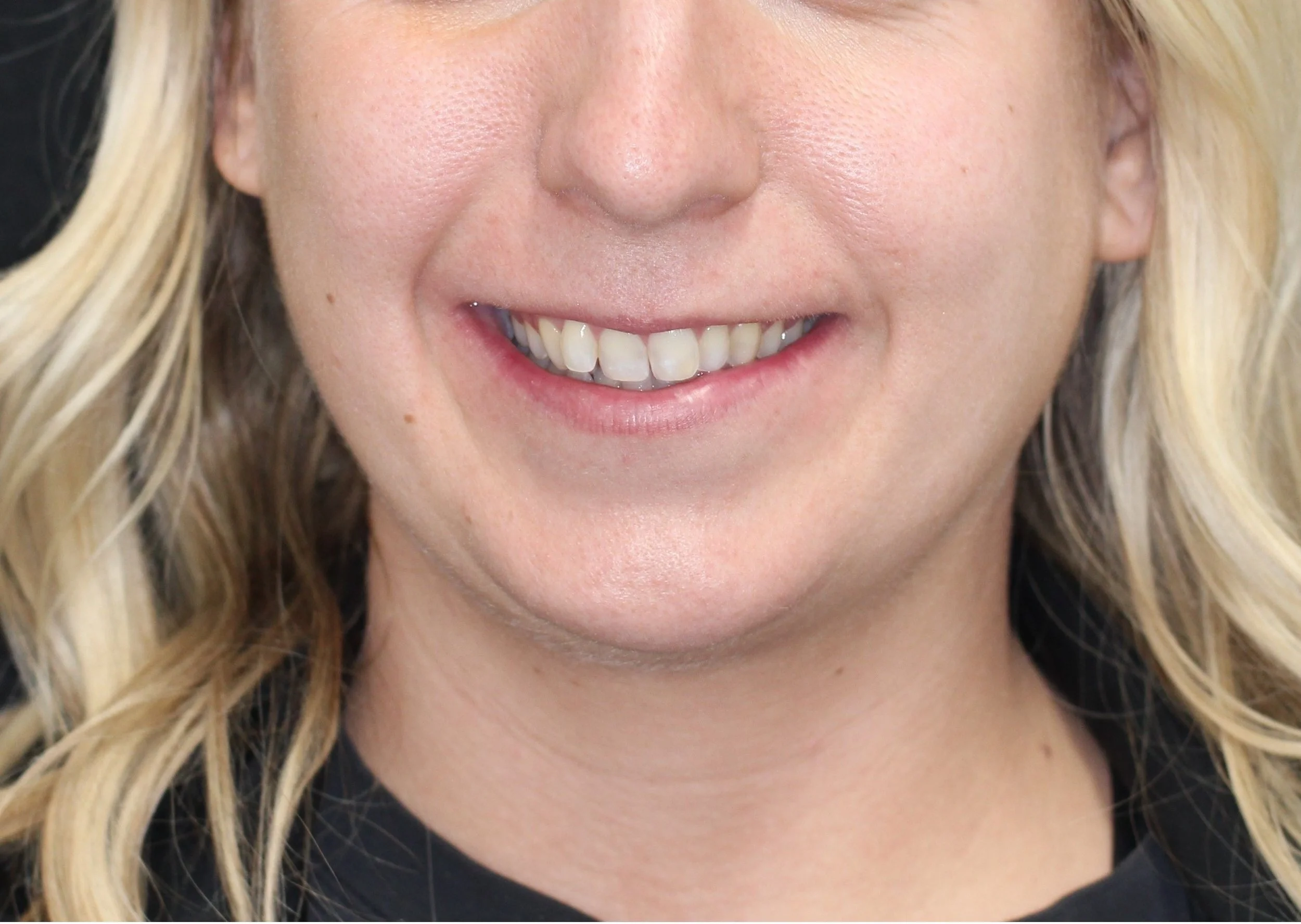
Limited jaw support with dental compensation
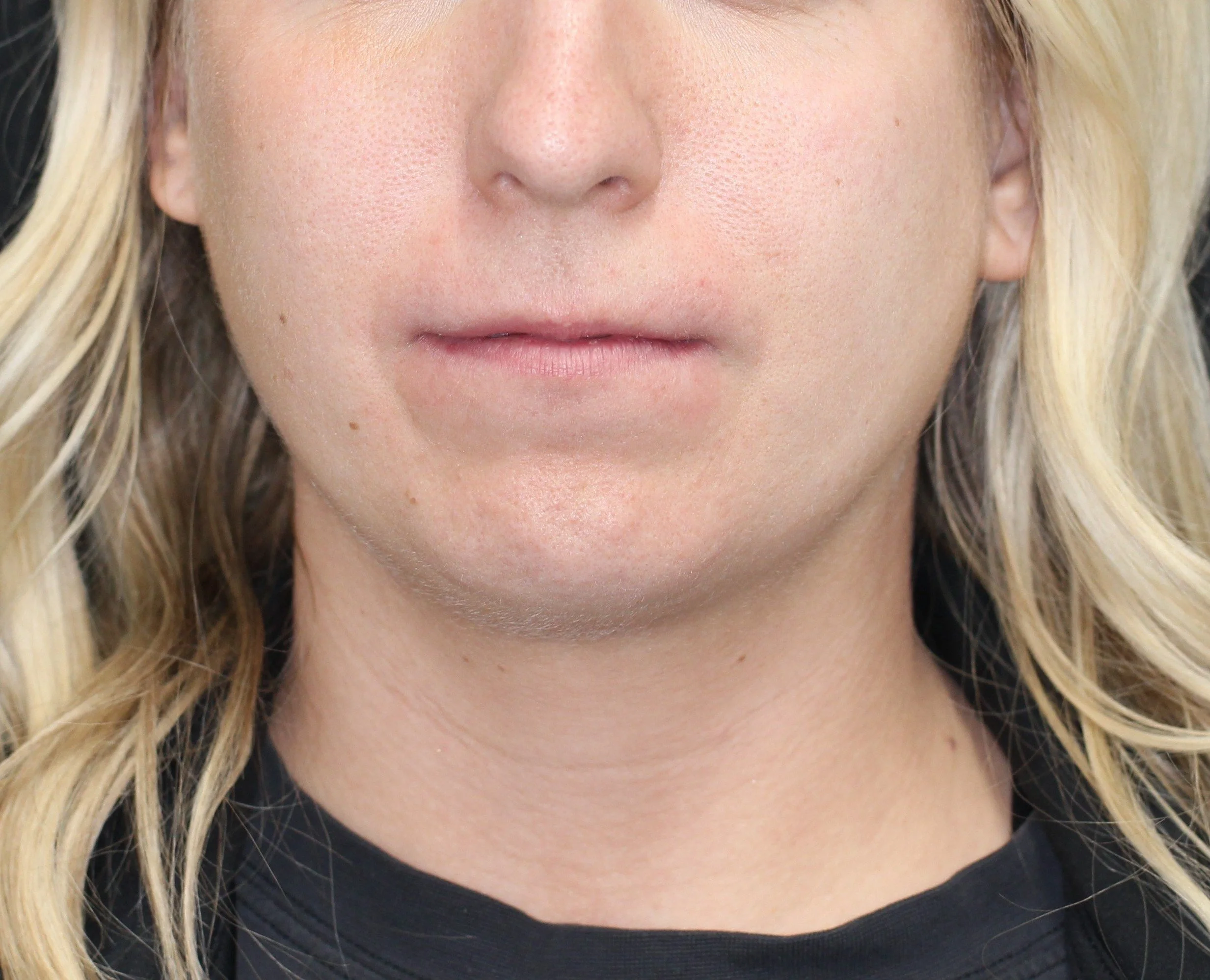
Underdeveloped jaw structure affecting facial balance
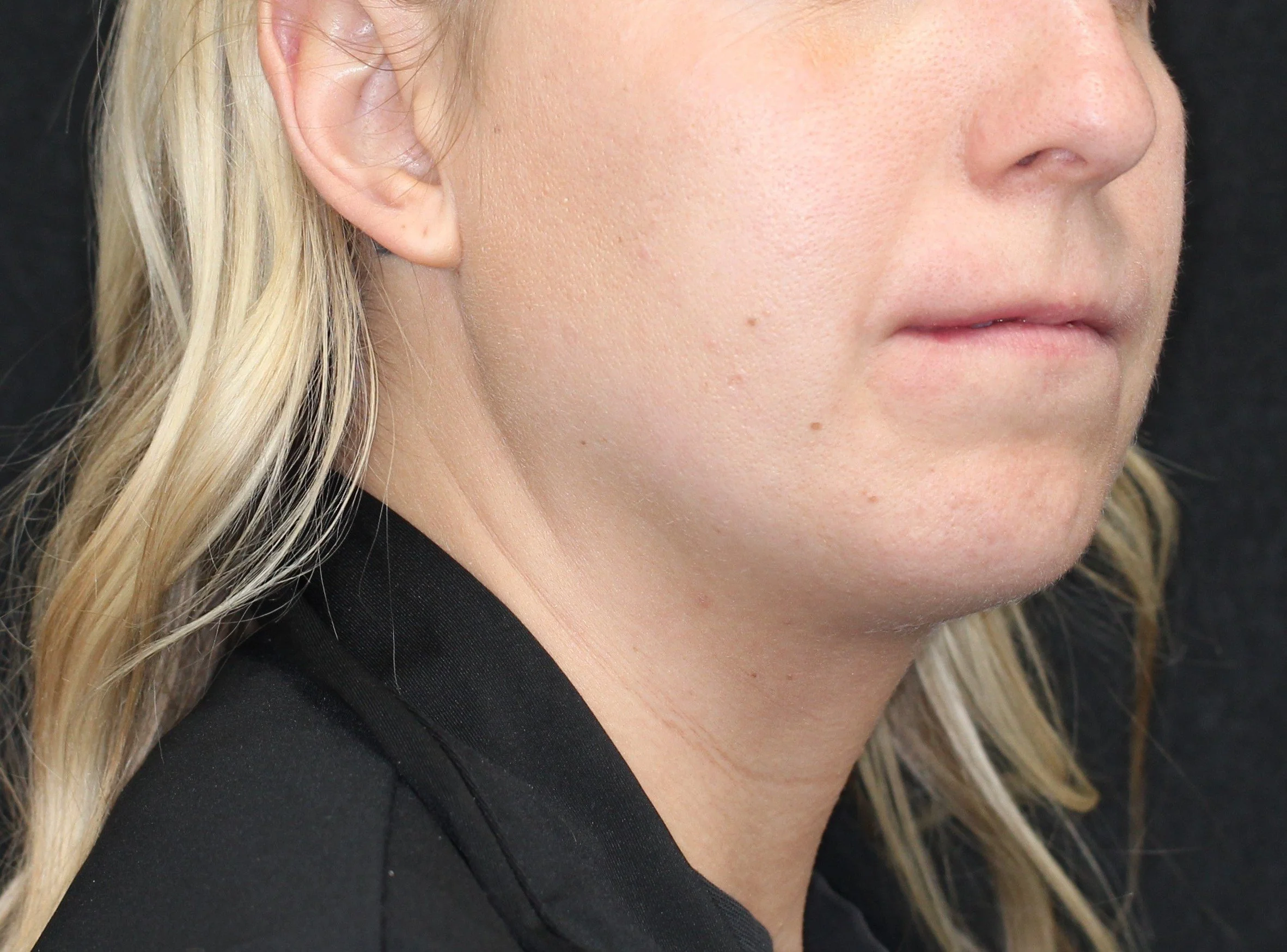
Recessed jaw position linked to airway strain
See What Your Child’s Face Might Be Telling You
Your child’s face offers clues about their breathing, posture, and future growth. A quick, non-invasive consultation at Pure Facial Development can reveal whether early intervention may help your child achieve better balance, breathing, and lifelong health.
Dr. Erika Peddicord is one of the only providers in Iowa offering full orthotropic care. As both a dentist and a mother who successfully treated her own son, she understands how important early intervention can be. Her approach combines advanced training, personal insight, and a deep commitment to helping children breathe, sleep, and grow better.
Families throughout Ankeny, Des Moines, Ames, Waukee, and surrounding communities trust Dr. Peddicord for her compassionate, evidence-based care. Her mission is simple: to give every child the best start possible through natural facial growth guidance.
Ready to Learn More?
Help your child breathe, grow, and thrive using a natural approach to facial development.
Refresh your own confidence with injectable care grounded in expertise and subtlety.